
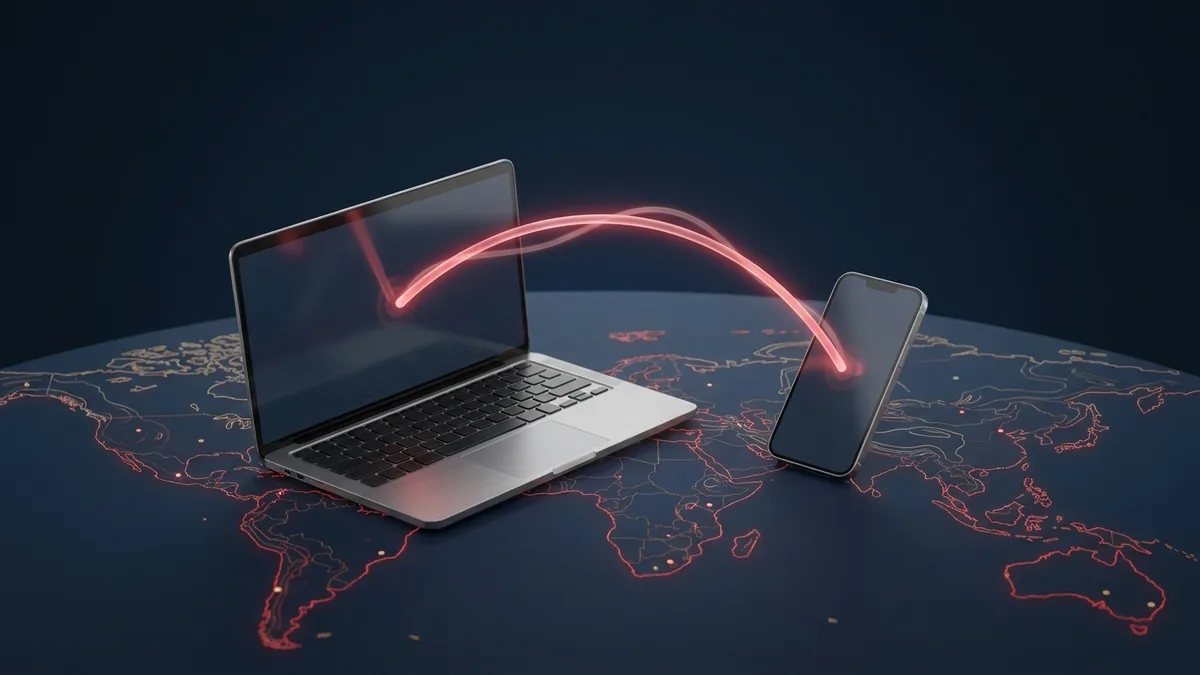
In 2026, being able to access a computer remotely isn’t a luxury — it’s part of how most of us work, support family members, and keep an eye on company devices. Whether you’re a digital nomad, an IT admin, or a parent using monitoring software like SPYERA, understanding how remote computer access actually works can change how you interact with your technology.
Access Computer Systems From Anywhere: A Step-by-Step Guide
Have you ever realized you left an important file on your home computer, or wished you could access work computer from home instead of driving back to the office? Once you have access to computer files and applications from a phone, tablet, or laptop, distance stops being a problem. Below, we break down exactly how to access a computer remotely, which tools to use, and how to stay safe while doing it.
Why Would You Want Remote Access?
Remote work and distributed teams have made reliable ways to access computer resources indispensable. Here’s why:
- Work Flexibility: With hybrid and remote work now the norm, having your files and apps within reach — wherever you are — is a game-changer.
- Globalization: As teams and businesses spread across time zones, everyone needs seamless access to centralized systems.
- IT Support: Being able to access a friend’s or family member’s device remotely turns tech support into a five-minute job instead of a house call.
- Monitoring and Parental Control: Platforms like SPYERA give parents and employers legitimate, consent-based visibility into device activity, helping protect kids online and keep company devices in policy.
How Does It Work?
Remote computer access relies on software that builds an encrypted bridge between two devices over the internet. One device is the “host” (the computer you want to control) and the other is the “client” (the device you’re using to gain access). Before starting a session, you’ll need physical or software-based access to the computer you want to control — typically a one-time install plus a login or access code.
Popular Tools to Access Computer Systems Remotely in 2026
- TeamViewer: A long-standing name in remote access, offering a polished interface and strong security for IT teams and businesses.
- AnyDesk: Built for speed, AnyDesk is a solid pick when you don’t want any lag in your remote sessions.
- Chrome Remote Desktop: A free, browser-based tool from Google that’s simple to set up for quick, occasional access.
- SPYERA Remote Control: Beyond basic screen sharing, SPYERA’s remote control feature and screen recorder let authorized users monitor and manage a target device discreetly — ideal for parental oversight or company-owned equipment. It’s available for both Windows and Mac computers.
Is Remote Computer Access Safe? Security First
Remote access is convenient, but it’s important to understand the risks before you accessing computers remotely on a regular basis. Always make sure:
- Strong, Unique Passwords: This sounds basic, but a strong password manager-generated password is still your first line of defense.
- Regular Updates: Keep your remote access software and operating system patched to close known vulnerabilities.
- Multi-Factor Authentication: Use an authenticator app or passkey wherever available — it’s now the standard, not an optional extra.
- Session Logging: Choose tools that log who connected, when, and for how long, especially for business or family use.
Getting the Best Out of Your Remote Session
To get the most out of accessing computer remotely, keep these tips in mind:
- Solid Internet Connection: Make sure both the client and host devices have stable, fast connections — Wi-Fi 6 or a wired connection works best.
- Scheduled Access: For IT support or family check-ins, schedule sessions in advance to avoid interrupting the other person.
- Regular Audits: Businesses in particular should routinely review access logs to catch anomalies early.
Frequently Asked Questions
Can I access my computer remotely from another device?
Can someone access my computer remotely without me knowing?
What is the best software for remote access to a computer?
What is the best way to remote access a computer securely?
In Conclusion
In a world where we’re all about staying connected, remote access is the bridge to our digital lives. Whether you’re working from a café across the globe, supporting family with tech troubles, or need to access your computer from anywhere while traveling, the right tool makes it effortless. If your goal is authorized monitoring and remote control rather than casual screen sharing, take a look at SPYERA’s plans to see which fits your needs.