
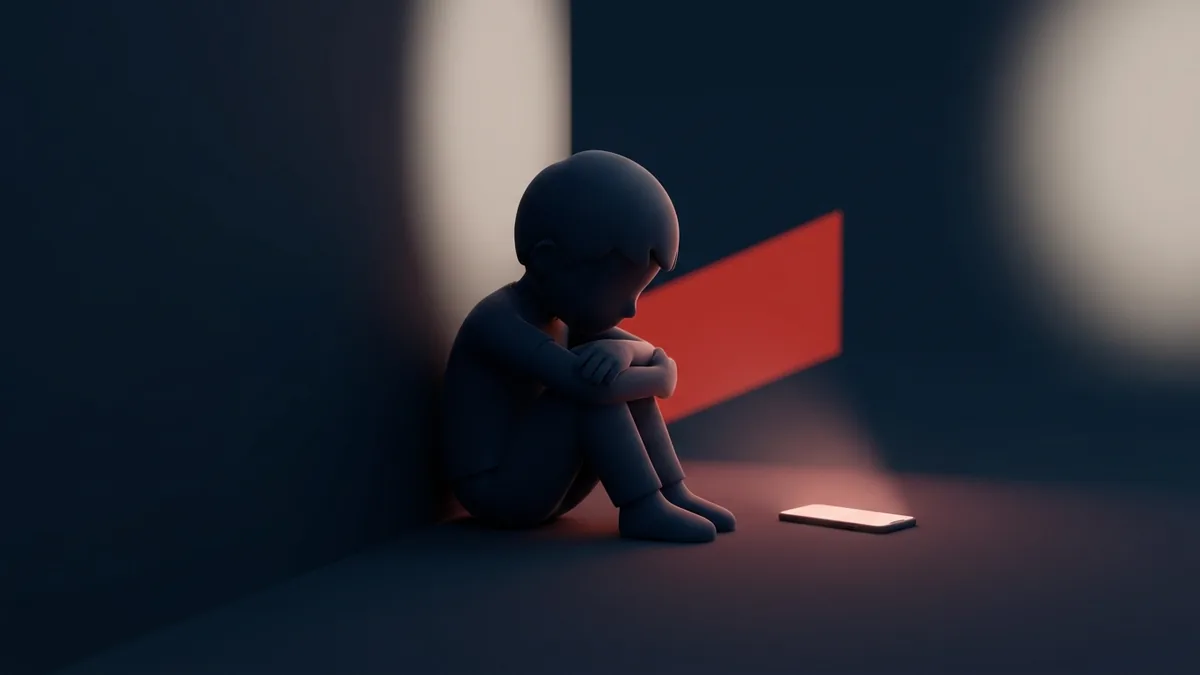
Children communicate far more with their bodies than with words. Facial expressions, hand movements, eye contact, posture, gestures, tone of voice, and word choice all shift the moment a child faces something unexpected, frightening, or unsafe. Even when a child tries hard to act normal, these small, involuntary changes are difficult to fully suppress.
There are many clinical methods for analyzing a child’s behavior, but most take specialized training and time that a worried parent simply doesn’t have. Fortunately, there is one practical shortcut that psychologists and child-protection professionals rely on: watching for symmetry and asymmetry in the body.
Reading Children Through Body Language
When a child follows their normal daily routine, their brain and muscles settle into familiar, relaxed patterns. Every gesture looks natural because there’s nothing to hide or fear. But when a child starts something new, faces an unexpected situation, or confronts a fear, their nervous system fires internal alerts that show up throughout the body. For example, if you ask a child a question they don’t want to answer, or one that touches on something they’re trying to hide, they will become anxious and nervous. They may try to appear calm and relaxed, but the effort itself gives them away.
Under that kind of stress, blood pressure rises, hands fidget or don’t know where to rest, eye contact becomes inconsistent, and the child’s overall appearance loses the natural symmetry it has when they’re comfortable.
When a child’s smile, tone of voice, word choice, or eye contact stops matching their usual baseline, it’s a strong signal that something is being hidden, covered up, or causing discomfort. Pairing what you observe with discreet, authorized monitoring of their phone or computer activity can help you understand what’s really going on behind that asymmetrical body language — always with your child’s safety, not their privacy invasion, as the goal.
Child Victims of Abuse
Child victims of abuse aren’t always able to put into words what has happened to them. Social workers, child-protective-services investigators, teachers, and counselors often try many approaches to get a verbal response, without success. That’s why professionals are trained to pay close attention to what a child communicates nonverbally. Children who have experienced physical abuse, sexual abuse, emotional abuse, or neglect frequently show behaviors and mannerisms that a trained observer can recognize as trauma responses. Signs to watch for include a child who may:
- Appear passive, submissive, and vulnerable — or become unusually aggressive and defiant, or swing between the two extremes
- Present a blank, emotionless face with vacant eyes, or seem constantly on alert for possible danger
- Protect their genitals, or touch or rub them for comfort rather than curiosity
- Show signs of self-comforting, such as rubbing their hands, arms, or stroking their own face
- Flinch when touched or pull away when approached, needing either a lot of personal space or, in contrast, showing indiscriminate friendliness toward strangers
- Withdraw from friends, screen activity, or hobbies they used to enjoy, or become secretive about their phone and online life
Child-development researchers provide detailed guidance on interpreting these cues — from spotting when a child is lying, to understanding the specific postures and gestures common among children who have been abused. No single sign confirms abuse on its own, but a cluster of these behaviors, especially a sudden change from a child’s normal baseline, warrants a closer look and, where appropriate, a conversation with a pediatrician, school counselor, or child-protection professional.
How SPYERA Helps Parents Spot the Warning Signs
Body language gives you clues, but a child’s phone, tablet, or computer often holds the fuller picture — who they’re talking to, what they’re being sent, and how they’re really feeling when they think no one is watching. Installing SPYERA on your child’s Android phone or iPhone lets you quietly and legally (as the device owner and legal guardian) keep an eye on their digital life without restricting or blocking their normal communication.
Unlike apps that lock down a child’s phone and immediately tip off an abuser that someone is watching, SPYERA works silently in the background. It records messages, calls, and chat app activity and organizes everything into clear, chronological reports so you can review what happened without confrontation. Reviewing these reports alongside the behavioral and body-language signs above will make you far better equipped to recognize whether your child has been abused, bullied, or is being targeted online — and to step in quickly with the right support. Explore SPYERA’s plans and pricing to get started.