
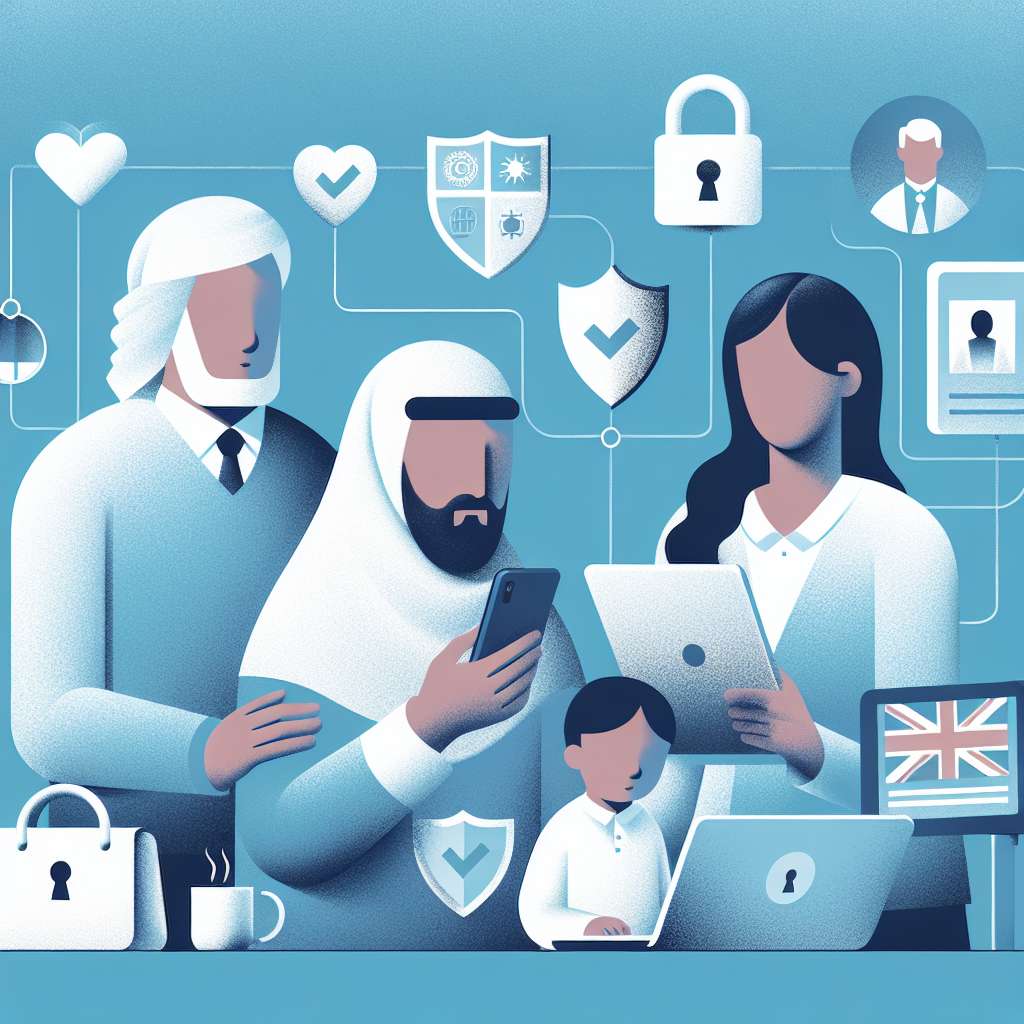
Digital ID Checks: Practical Safety & Privacy Guidance for Families, Schools and SMEs
Why This Matters
The UK government has announced plans to roll out a digital ID scheme for workers. This affects hiring, renting, banking, and other everyday interactions, and raises privacy and security questions for parents, schools, and small businesses.
What Happened
Ministers have announced a plan to introduce a digital identity system for workers. It is reported that the scheme will apply to jobs entered into after it goes live, and ministers say this could occur by the end of the current parliament. If confirmed, new hires would need a verified digital ID to start certain roles. The government also plans a public consultation and says the system will not be compulsory for most everyday services.
Key Takeaways
- Digital ID checks are being framed as a way to reduce fraud and shrink the shadow economy.
- If confirmed, the scheme will apply to newly started jobs once it is live, not retroactively to current roles.
- Officials say use will be voluntary for other services and designed with encryption and device-based storage in mind.
- Public consultation is planned; significant public debate and petitions have already emerged.
Background & Risk Surface
Digital identity systems consolidate identity verification into a standardized credential that travels with a user, typically via a smartphone app or a secure token. The appeal is clear: fewer paper documents, faster checks, and reduced reliance on paid third-party verifiers. But that consolidation also concentrates risk.
Who is affected? Practically everyone who interacts with services that require identity checks: workers, renters, students, and customers. For parents and teens, it affects how young people prove age and eligibility for services. Schools may use verified identity for admissions or exam registration. SMEs and employers will see changes in hiring checks and onboarding workflows.
Common attack paths include phishing attempts to steal credentials, social-engineering attacks against HR or housing agents, device compromise (malware on a phone), and account takeover when authentication factors are weak. Misconfigurations such as overly broad data sharing permissions, weak encryption management, or centralized storage without proper access controls can increase exposure.
Relevant platforms include mobile wallet apps, employer HR portals, government verification services, and third-party identity providers. If the government’s scheme relies on device-held credentials, device security and backup/recovery mechanisms become critical. If the architecture instead uses centralised components, access controls and logging will be priorities.
Why It Matters for Families & Small Businesses
Digital ID can simplify many transactions. But convenience must be balanced with privacy and security. For families, a verified digital identity may be useful for applying to schools, accessing certain services, or proving age. It can also introduce new privacy questions about what personal data is collected, how long it is stored, and who can request verification.
For small businesses, verified digital ID could streamline hiring and tenant checks. But businesses are responsible for protecting applicant data and for using verification results lawfully. Employers will need clear policies on what identity data is required, how it is stored, and how long it is retained.
Device and app hygiene matter. If your identity credential is stored on a phone, keep the phone patched, protected by a strong lock method, and backed up according to official guidance. Beware of adding identity documents into untrusted apps or giving broad permissions to small verification vendors without due diligence.
Legal and consent reminders: monitoring, verification and storage of identity data are subject to data protection laws and employment regulations. Consent must be informed and freely given where the law requires it. For employee checks, follow local employment and privacy rules and maintain records of consent and disclosures.
Action Checklist
For Parents & Teens
- Understand what information is necessary. Share only the minimum personal data required for verification.
- Secure devices. Use screen locks, device encryption, and automatic updates for phones used to store ID credentials.
- Teach phishing awareness. Never enter identity credentials into links from unexpected emails or messages.
- Use approved channels. Prefer government or well-known providers and confirm requests by contacting organisations directly.
- Check privacy settings. Know how long identity data is retained and who can access it; request deletions where appropriate.
For Employers & SMBs
- Adopt a documented identity policy that explains what data you collect, why, and retention periods.
- Use least-privilege access. Limit who in your organisation can view verification results and log all access.
- Deploy device and endpoint protections. Use MDM (Mobile Device Management) and EDR (Endpoint Detection & Response) for corporate devices.
- Train HR and hiring teams on social engineering and verification fraud techniques.
- Run regular access reviews and audits. Revoke access for leavers and expired checks promptly.
- Plan incident response. Include data-breach notifications and a recovery path for compromised identity credentials.
For Schools
- Validate only essential identity elements and document consent from guardians when processing minors’ data.
- Ensure third-party ID providers meet data protection standards and sign appropriate data processing agreements.
- Provide alternatives for families without smartphones or those who opt out of digital ID.
Trend
Digital identity is an expanding global trend. Several countries now use national digital ID schemes for public and private services. The conversation in the UK mirrors global debates balancing convenience, fraud reduction and civil liberties.
Insight
Strong identity systems combine secure cryptography, decentralised control where possible, and transparent governance. From a security perspective, decentralised storage of identity credentials on user devices reduces one kind of risk but increases the need for strong device security and recovery processes. Organisations should prepare for hybrid realities where multiple providers and verification methods coexist.
How SPYERA Helps
SPYERA provides monitoring and reporting features designed for lawful, consent-based oversight in families and organisations. Our tools offer remote configuration options, alerting for suspicious device activity, and clear logs to support incident investigations. For parents, SPYERA can help confirm device health and detect signs of compromise that might expose identity credentials. For employers, SPYERA’s reporting can support authorised audits during onboarding, with clear consent tracking and user notifications where required by law.
Note: SPYERA must be used in compliance with local laws. Always obtain required consent and use monitoring ethically. We do not support illegal access or evasion of privacy protections.
FAQs
- Will everyone be forced to have a digital ID?
Officials say the scheme will not be compulsory for all services. If confirmed, it would be mandatory only for jobs started after the system goes live. Other services should remain optional. - Is my personal data safe with digital ID?
Safety depends on implementation. Look for strong encryption, local device storage of credentials, limited data sharing, and transparent retention policies. - How should employers handle identity checks?
Use documented policies, limit access, obtain consent, and log verification actions. Retain minimal data for the shortest required period. - What if I don’t have a smartphone?
Authorities and organisations should provide alternatives. Schools and employers must offer non-digital options for those without access.
Closing CTA
Digital ID checks promise convenience but require careful security and privacy planning. Whether you are a parent, school leader, or small business owner, prepare now: secure devices, limit the sharing of data, and insist on transparent consent. If you are responsible for care or oversight, consider SPYERA’s lawful monitoring tools to help detect device compromise, manage configuration remotely, and generate clear incident reports. Use monitoring responsibly and only where lawfully permitted.