
In an era defined by constant digital connectivity, the safety of our children and the efficiency of our business operations are top priorities for responsible guardians and managers. Mastering The Art of Tracking: How to Find Someone's Location with Ease has become a necessary skill for ensuring peace of mind in a fast-paced world. Whether you are a parent concerned about your child's whereabouts after school or an employer managing a fleet of company devices, understanding location technology is paramount.
However, the landscape of digital tracking can be confusing, filled with technical jargon and a myriad of application choices. By learning The Art of Tracking: How to Find Someone's Location with Ease, you can cut through the noise and select the right tools for your specific needs. This guide will explore the mechanics of GPS, simple native solutions, and why professional-grade software like SPYERA often provides the most reliable results.
Before diving into specific apps, it is essential to understand the technology that powers location services. Global Positioning System (GPS) technology has revolutionized how we navigate the world and monitor assets. Originally developed for military use, this technology is now ubiquitous in smartphones, tablets, and even wearable devices.
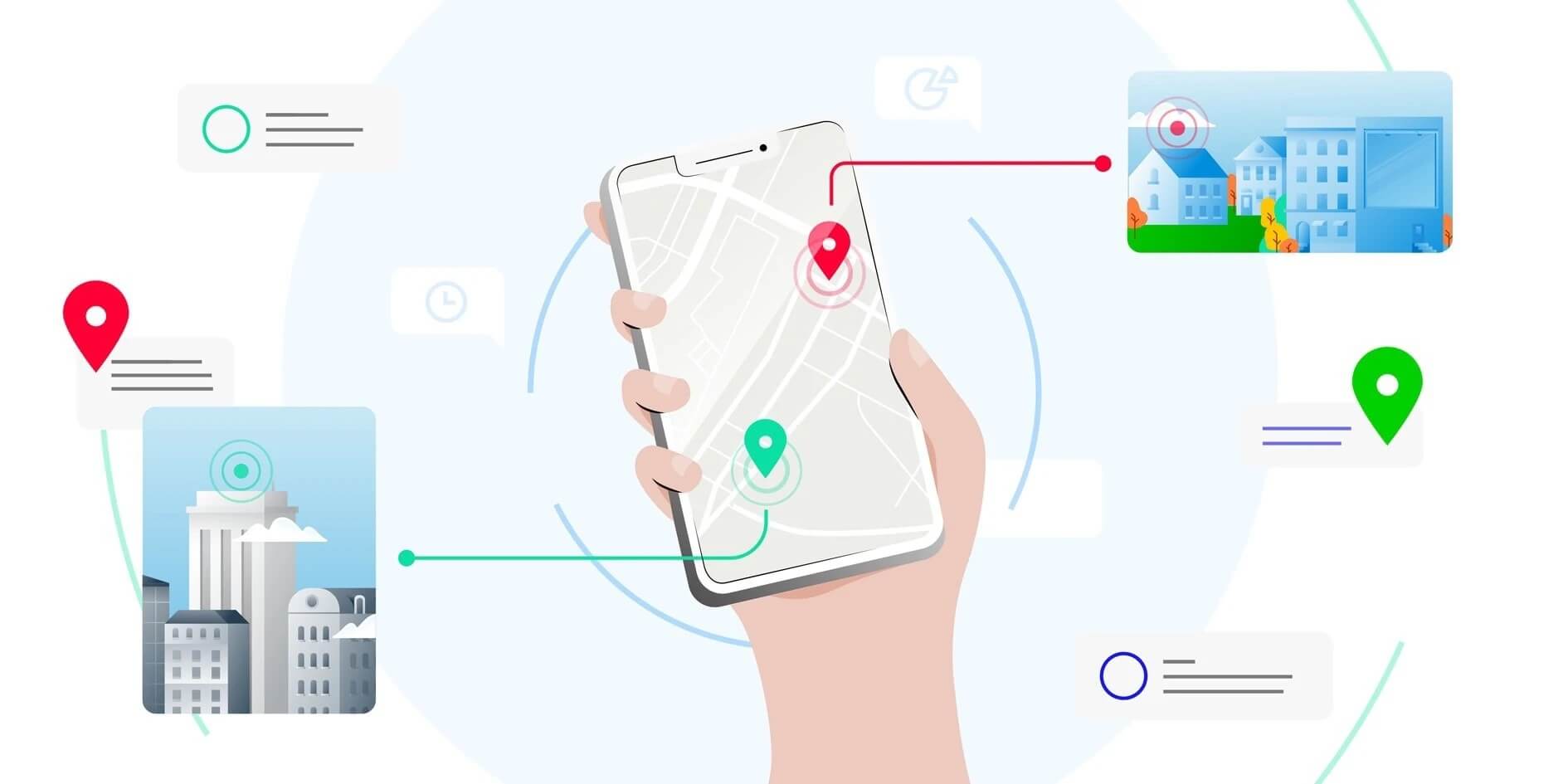
Modern smartphones utilize a constellation of satellites orbiting the Earth to determine precise locations. Through a process called trilateration, a device communicates with at least three satellites to calculate its exact latitude, longitude, and elevation. According to official government data, high-quality GPS receivers can pinpoint a location within a few meters under open skies.
Furthermore, smartphones use Assisted GPS (A-GPS). This technology combines satellite data with information from cellular towers and Wi-Fi networks. Consequently, this allows for faster location locking, even in urban canyons where satellite signals might be obstructed. For parents and employers, this means that tracking is rarely reliant on a single signal source, ensuring higher reliability.
When studying The Art of Tracking: How to Find Someone's Location with Ease, it is crucial to distinguish between active and passive monitoring. Active tracking involves real-time data transmission. For example, when you watch a delivery driver approach your house on a map, that is active tracking. It consumes more battery power but provides up-to-the-second updates.
In contrast, passive tracking logs location data to be viewed later. The device stores waypoints locally and uploads them at set intervals or when a Wi-Fi connection is established. Moreover, passive methods are often more battery-efficient. Understanding these differences helps users choose the right balance between real-time visibility and device performance.
For many users, the journey into location monitoring begins with tools they already possess. There are several accessible ways to locate a person using standard applications found on most mobile devices. While these methods are convenient, they often require the active cooperation of the person being tracked.
Social media platforms are often the most overlooked source of location data. Teenagers and employees frequently "check in" to restaurants, parks, or events on platforms like Facebook, Instagram, or Snapchat. These geotags provide a timestamped record of where a person has been.
Additionally, modern photos often contain metadata known as EXIF data, which can include GPS coordinates. If a photo is shared in its original quality, it may reveal the exact location where it was taken. However, relying on social media requires constant monitoring of feeds and does not provide a real-time view of movement, which is a significant limitation for safety purposes.
Both iOS and Android ecosystems offer built-in solutions for sharing locations. For Apple users, the "Find My" app is a staple. It allows family members to share their live location indefinitely or for a set period. Similarly, Google Maps offers a "Location Sharing" feature that works across platforms.
To use Google Maps for this purpose:
Consequently, these native tools are excellent for consensual coordination, such as meeting up with friends. Yet, they have a major flaw regarding security: the user can easily turn them off. If a child decides they do not want to be found, or an employee wants to hide a detour, they can disable these features with a single tap. This is where mastering The Art of Tracking: How to Find Someone's Location with Ease often transitions to more robust solutions.
When native tools fall short, third-party applications step in to fill the gap. These apps are designed specifically for monitoring and often include features like location history logs, speed alerts, and invisible modes. By using dedicated software, you eliminate the risk of the user accidentally or intentionally disabling the tracking function.
Meanwhile, the market is flooded with options, ranging from free apps with limited functionality to premium suites. For those serious about safety and asset protection, investing in a comprehensive tool is often the most prudent path. This ensures that you are effectively practicing The Art of Tracking: How to Find Someone's Location with Ease without technical hiccups.
For over 25 years, SPYERA has been a leader in the monitoring industry. Unlike basic apps that only offer GPS dots on a map, SPYERA provides a holistic view of digital activity. For parents worried about digital safety and business owners protecting company assets, this software offers a level of depth that native tools cannot match.
One of the primary challenges in tracking is device fragmentation. A family or business might use a mix of Samsungs, iPhones, and laptops. SPYERA solves this by offering cross-platform compatibility. You can seamlessly monitor an Android Spy App installation alongside an iOS device from a single web dashboard.
Furthermore, the tracking capabilities extend beyond mobile. With more employees working remotely, knowing the location of company laptops is vital for security. SPYERA allows for effective monitoring on computers, ensuring that expensive hardware remains where it is supposed to be. This versatility is a key component of The Art of Tracking: How to Find Someone's Location with Ease for modern enterprises.
Constant map watching is impractical for busy parents and managers. This is where geofencing becomes a game-changer. A geofence is a virtual perimeter you draw on a map—around a school, a home, or a designated work zone. When the target device enters or exits this zone, you receive an instant notification.
Benefits of geofencing include:
By automating these alerts, you refine The Art of Tracking: How to Find Someone's Location with Ease, allowing the technology to work for you rather than requiring your constant attention. You can explore more about these capabilities on the SPYERA features page.
Perhaps the most significant advantage of professional software is discretion. Native apps like "Find My" are visible to the user, making them easy to disable. In contrast, SPYERA operates in the background. Whether you are using the iPhone Spy App or the tablet version, the software remains undetectable to the user.
This stealth mode is critical for preventing tampering. If a device is stolen, a thief will likely disable visible trackers immediately. However, a hidden tracker continues to report location data, aiding in recovery. For parents, it ensures that teenagers cannot simply "opt-out" of safety monitoring during rebellious phases.
In addition, SPYERA offers flexible pricing plans that cater to different needs, ensuring that professional-grade tools are accessible. When you combine real-time accuracy, geofencing automation, and tamper-proof operations, you truly master The Art of Tracking: How to Find Someone's Location with Ease.
While technology provides the means to track, ethical considerations provide the boundaries. It is vital to use location tracking tools responsibly. For parents, this falls under the umbrella of guardianship and ensuring the physical safety of minors. Open communication with children about why they are being monitored can often foster trust rather than resentment.
Similarly, for business owners, transparency is key. Monitoring company-owned devices is a standard practice for asset protection and productivity. However, employees should generally be aware that company property is subject to monitoring. This aligns with legal standards in many jurisdictions and maintains a professional work environment.
Ultimately, The Art of Tracking: How to Find Someone's Location with Ease is not just about the "how," but also the "why." When used for safety, security, and efficiency, these tools are invaluable assets in our modern lives.
Yes, tracking is legal provided you own the device or have consent. Parents have the legal right to monitor their minor children for safety. Business owners can legally monitor company-owned devices used by employees, though it is best practice to inform them of this policy.
Active tracking can consume battery life, but modern apps are optimized to minimize this impact. Professional software like SPYERA uses smart algorithms to upload data efficiently, often only when the device is moving or has a strong connection, preserving battery life better than constantly active navigation apps.
While GPS provides the most accurate data, it is not the only method. Advanced software can utilize Wi-Fi signals and cell tower triangulation to provide an approximate location even if the GPS toggle is off. However, for pinpoint accuracy, GPS is recommended.
No, you do not need advanced technical skills. Modern solutions are designed for ease of use, often requiring just a few minutes of access to the target device. Comprehensive guides and support teams are available to assist with the installation process on Android, iOS, or Windows devices.
If the target device goes offline, the tracking software continues to log GPS coordinates locally on the device. Once the internet connection is restored, all the stored historical data is uploaded to your dashboard, ensuring you have a complete record of movement.