
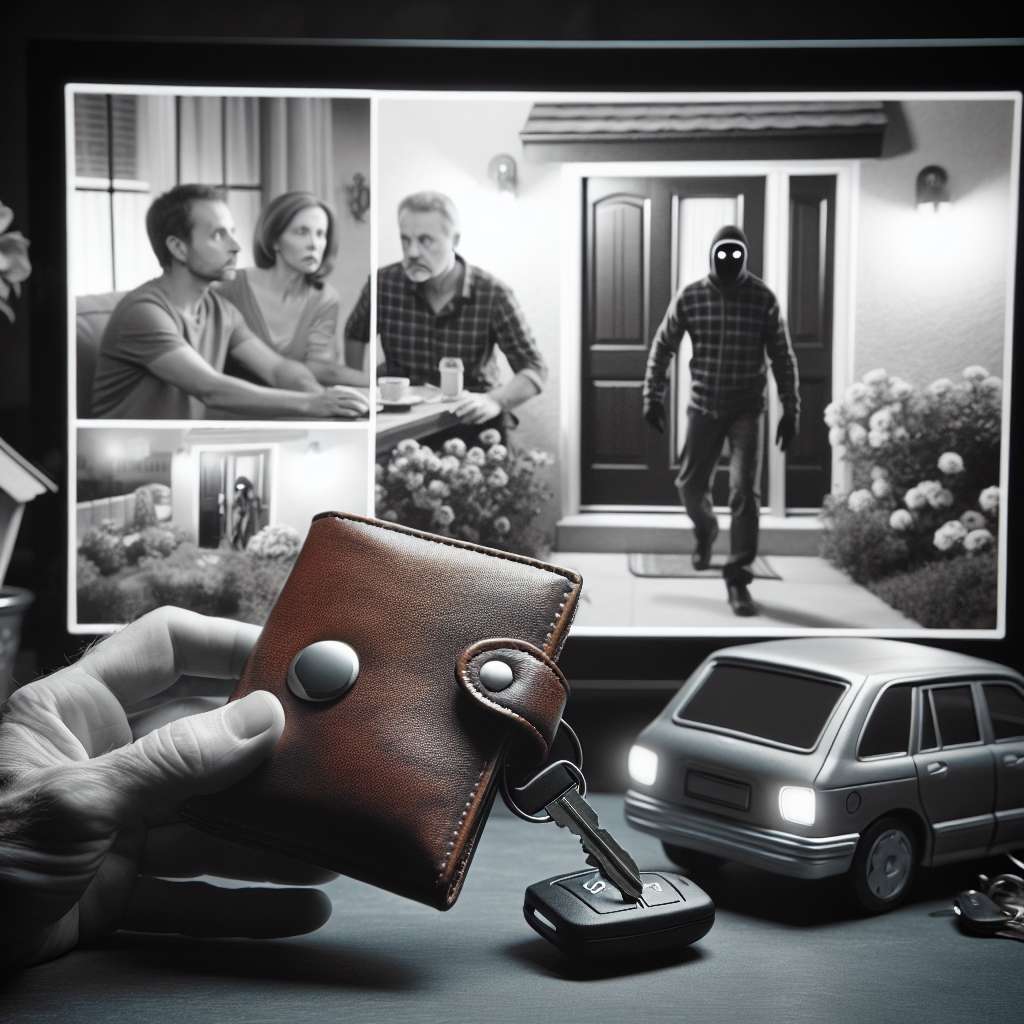
Protect Your Vehicles from Keyless Car Theft Devices
Why This Matters
Devices that attack keyless entry systems are being traded online and used in fast, organised thefts. These tools threaten personal safety, privacy, and the security of vehicles owned by families, schools, and small businesses.
What Happened
Media reports show criminal groups buying and renting tools that defeat keyless entry systems. Some gadgets relay or clone a car key’s radio signal, allowing thieves to open and start cars while the key remains inside a home. If confirmed, prices seen online run into the tens of thousands of euros for high-end units, with cheaper disguised devices sold for less valuable targets. The government has indicated a law is coming to ban possession and sharing of such devices.
Key Takeaways
- Keyless-relay tools are being sold and hired online and are used in rapid thefts.
- These attacks can feel like an intrusion even when no one enters the house.
- Insurers and industry bodies report a sharp rise in thefts involving keyless vehicles.
- New legislation is planned to criminalise possession and distribution of these devices.
Background & Risk Surface
Keyless entry and push-button start systems use low-power radio signals. They let drivers unlock and start a car while the key fob stays in a pocket or bag. The convenience is real. But these systems expand the risk surface.
Relay attacks are the most common method. Two criminals work together. One stands near the car. The other gets close to the property holding the key. The devices extend the fob signal so the car believes the key is nearby. Doors unlock and engines start. In some cases, thieves use signal-blockers to prevent trackers from reporting location. Other gadgets mimic or clone the key signal.
Attackers range from opportunistic thieves to organised networks. Reports suggest organised groups are treating stolen luxury vehicles as customizable orders. They buy or rent expensive, advanced tools to target high-value models. Lower-cost units, sometimes disguised as everyday items, are used on mass-market cars.
Commonly affected parties include drivers who leave keys near doors or windows, households with large front gardens, staff who park company cars at home, and small businesses that rely on shared vehicles. Schools with staff parking on site may be exposed if keys are left in exposed areas or on desks.
Typical misconfigurations that increase risk include leaving key fobs in hallways close to exterior walls, using default or weak vehicle tracking subscriptions without tamper alerts, and not using additional immobilisers or steering locks. Many modern vehicles have strong onboard security, but the weakest link is often how keys are stored and how quickly owners can be alerted to a compromise.
Why It Matters for Families & Small Businesses
For parents and families, a keyless vehicle theft is more than a financial loss. Victims report feeling violated because the theft takes place while they are inside their homes. Children and other household members may feel unsafe where they once felt secure.
Small businesses and employers that provide vehicles face operational risk. A stolen van or fleet car can halt deliveries, affect client commitments, and expose businesses to liability if the vehicle was uninsured for inappropriate use. For SMEs, replacing vehicles is costly. Reputational harm can follow if client data or tools were left inside a vehicle.
Privacy is a further concern. Keyless thefts that include signal-blocking techniques can make tracking difficult. If confirmed, some devices are claimed to suppress or jam trackers, stopping cloud-based monitoring from reporting theft in real time. That delays response and recovery.
Device and app hygiene matters. Vehicle tracking subscriptions and security apps should be set up with multi-factor authentication. Account credentials must be unique and monitored. Physical safeguards are also important: shield keys from external signals, use Faraday pouches when practical, and consider visible deterrents that slow attackers and increase the chance they are disturbed or recorded.
Legal and consent issues are relevant for employers and schools. Any monitoring of staff or pupil devices must follow local law, data-protection rules, and workplace policies. Consent and transparency are central. Monitoring should be proportionate, documented, and limited to authorised purposes.
Action Checklist
For Parents & Teens
- Store key fobs away from doors and windows. Use an internal drawer or a metal-lined Faraday pouch.
- Fit visible deterrents: steering locks, wheel clamps, or externally mounted padlocks for unused vehicles.
- Enable vehicle immobilisers and ensure car software is updated at service intervals.
- Use a dash camera or home CCTV with motion alerts to capture suspicious activity outside the house.
- Tell family members to report unusual knocks, doorbell footage, or strangers loitering near cars.
For Employers & SMBs
- Create a vehicle security policy covering key storage, allowed parking, and overnight procedures.
- Register vehicles with reputable tracking services and enable tamper alerts and multi-factor authentication.
- Use Mobile Device Management (MDM) and Endpoint Detection where company smartphones or tablets are used for telematics or keys.
- Train staff on recognising relay theft behaviour and immediate reporting steps. Keep an incident contact plan with police and insurers.
- Run regular access reviews and log audits for vehicle telematics accounts. Rotate credentials when staff change roles.
- Conduct IR drills for vehicle theft scenarios to test communications and recovery procedures.
For Schools
- Secure staff keys in internal offices or lockable containers overnight.
- Install bright external lighting and CCTV covering staff parking areas.
- Include vehicle safety in staff briefings, and maintain a clear reporting chain for suspicious behaviour.
Trend
Industry sources report a rise in thefts involving keyless vehicles. Insurers indicate a majority of recent vehicle thefts involve keyless models. Lawmakers are moving to make possession of these devices an offence to disrupt supply chains used by organised criminals.
Insight
Prevention combines physical and digital controls. Physical barriers slow or deter thieves and increase the chance of witnesses. Digital hygiene limits attackers’ ability to exploit keyless signals and tracking gaps. Organisations should treat vehicles like endpoints: apply layered defences, monitor telemetry, and plan response steps in advance.
How SPYERA Helps
SPYERA provides lawful, consent-based monitoring tools that help families and organisations maintain visibility over devices linked to vehicle security. Features include remote status checks, alerting for suspicious activity on monitored devices, and consolidated reporting to support fast incident response. For employers, SPYERA can integrate with device management policies to ensure company phones and tablets used for vehicle access follow security rules. Always obtain required consent and comply with local laws before deploying monitoring solutions.
FAQs
- Are keyless cars less safe?
Keyless systems are convenient but introduce specific risks. Proper key storage, software updates, and additional physical controls reduce exposure. - Can a Faraday pouch stop relay attacks?
Yes. A quality Faraday pouch blocks radio signals. Keep the pouch in a drawer or internal space for best results. - Is possession of these devices illegal now?
New laws are planned to ban owning or sharing car-theft devices. If confirmed, possession could attract penalties. Check local law for current status. - What should I do after a suspected relay theft?
Contact police immediately, notify your insurer, and report the theft to your vehicle tracking provider. Preserve any footage or witness statements.
Closing CTA
Keyless car theft devices pose a real and evolving risk. Start with simple steps: secure your keys, add physical deterrents, and ensure digital protections are active. For families and businesses that need lawful monitoring and fast alerts, consider SPYERA as part of a layered safety plan. Use monitoring responsibly and with consent to protect privacy and comply with law.